Extraction, drying, and sanitizing after any flood

Flood water cleanup in Naples, done right the first time

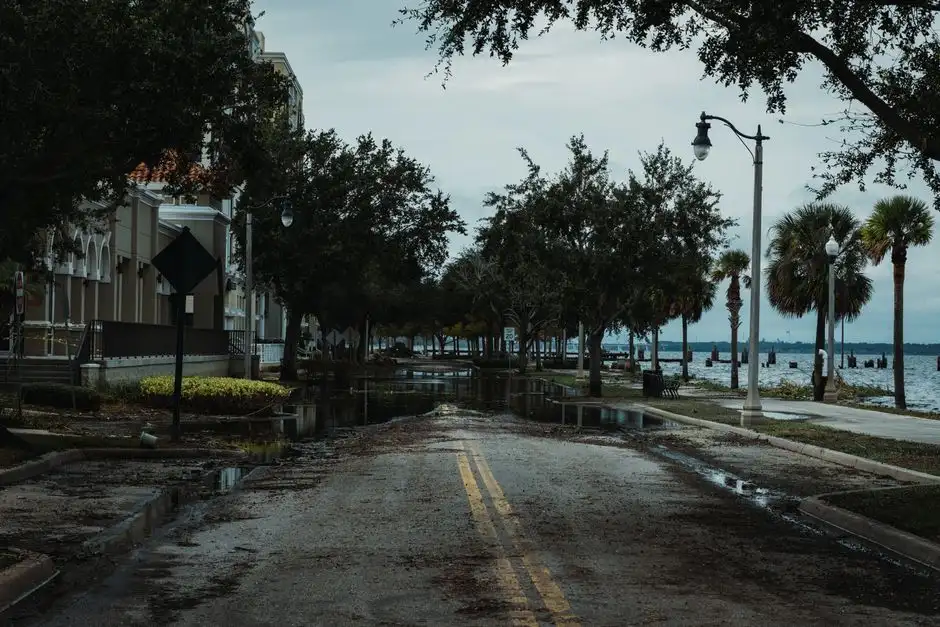
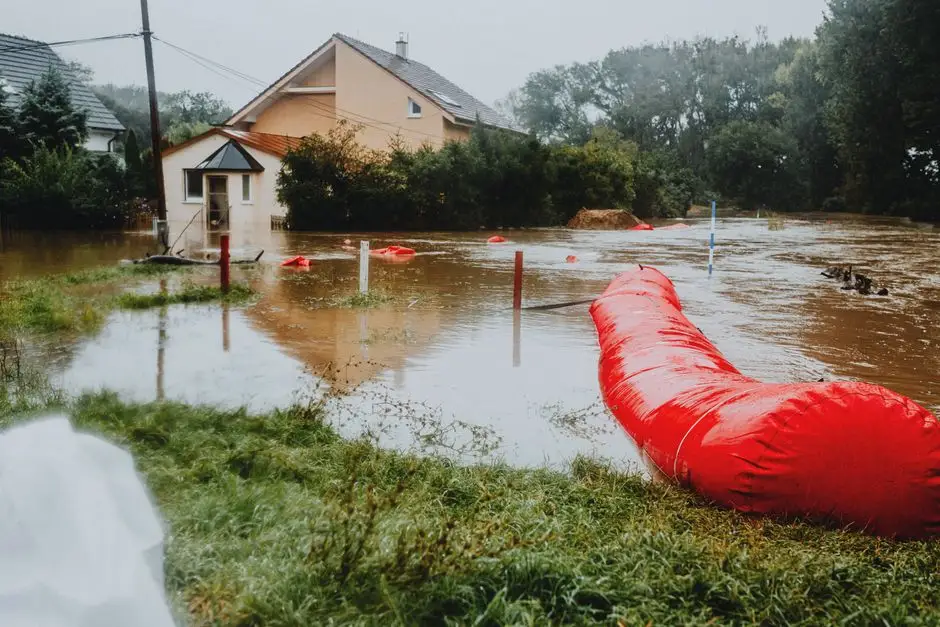
When floodwater hits your Naples home, every hour counts. Our flood water cleanup in Naples crew extracts standing water, dries structural cavities, and sanitizes the affected area before mold can take hold. We handle storm flooding, burst pipes, and sewage backups for homeowners and businesses across Old Naples, Pelican Bay, and Vanderbilt Beach.

↗
Fast online booking

Request service today

Tell us what is happening. Our local team will confirm your visit shortly.

Call Now +18773640731 → No spam. No obligation. Just practical help.
Dependable Water Damage Restoration across Naples
Careful work. Honest options.
About this service

What flood water cleanup in Naples actually involves

Flood water cleanup in Naples is the process of removing standing water, drying saturated building materials, and sanitizing every surface the water touched. It starts with a moisture meter and thermal imaging camera to map how far the water traveled. From there we use a water extraction unit or submersible pump to pull the bulk of the water, then position air movers and dehumidifiers to dry the structure. The job ends when moisture readings return to normal, not when the floor looks dry.

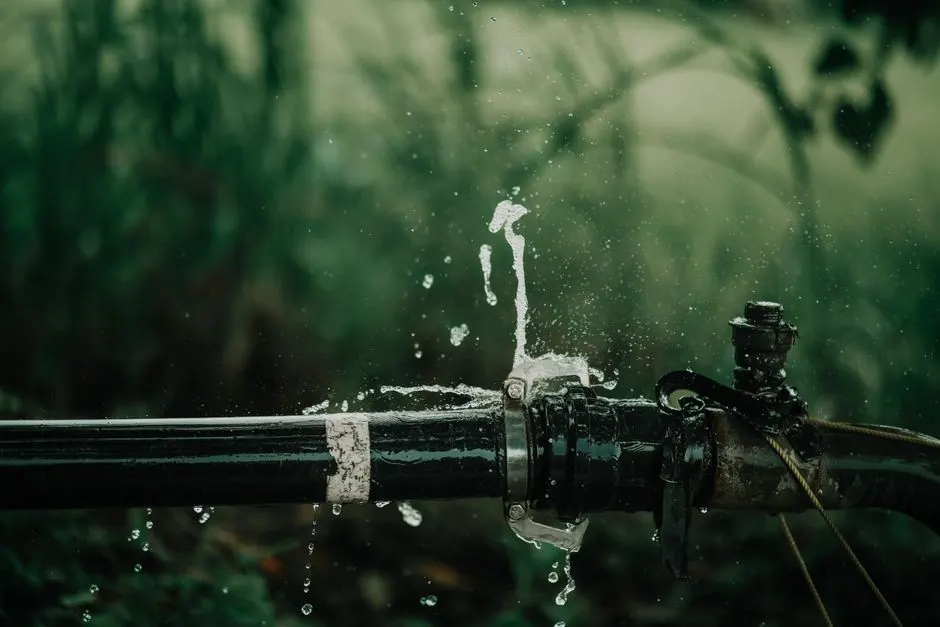
Naples properties face flood risk from storm surge, tropical downpours, and plumbing failures. A burst pipe behind a kitchen wall or a slab leak under tile can release hundreds of gallons before you notice. Because our humidity stays high most of the year, wet drywall and carpet padding can start growing mold in 24 to 48 hours. That is why we treat every flood water removal Naples call as urgent, whether it came from a roof leak or a sewage backup.

  • ✓ Stop mold before it starts
  • ✓ Save floors and cabinets
  • ✓ Document everything for insurance
  • ✓ Get your home back to normal
What's included

What is included in flood water cleanup

Every flood water cleanup job we run in Naples includes the core steps needed to make your property dry and safe. Here is what is covered in a standard scope, and what gets quoted separately when the damage calls for it.

✓

Emergency water extraction

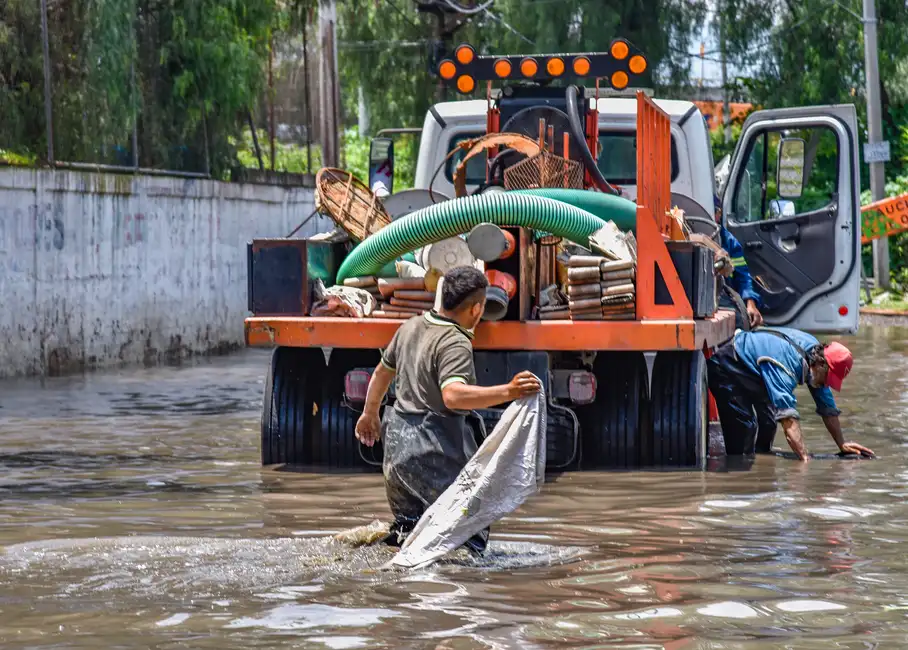
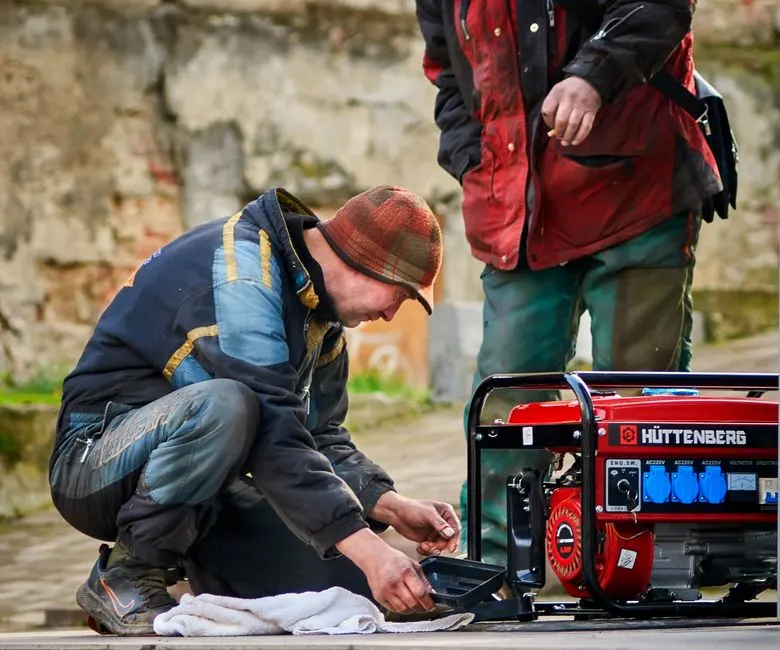
We remove standing water with truck-mounted extraction units and submersible pumps. This includes water in carpets, hard floors, and low-lying areas. Extraction typically takes two to four hours on a standard residential job.

✓

Moisture mapping and monitoring

We use moisture meters, thermal imaging cameras, and hygrometers to map the affected area and track drying progress. Daily readings are logged and shared with you and your insurance adjuster as proof the structure is dry.

✓

Drying equipment placement

Air movers, dehumidifiers, and air scrubbers are positioned based on the moisture map. We may use polyethylene sheeting to create a drying chamber. Equipment stays until materials hit dry standard, usually three to five days.

✓

Antimicrobial treatment

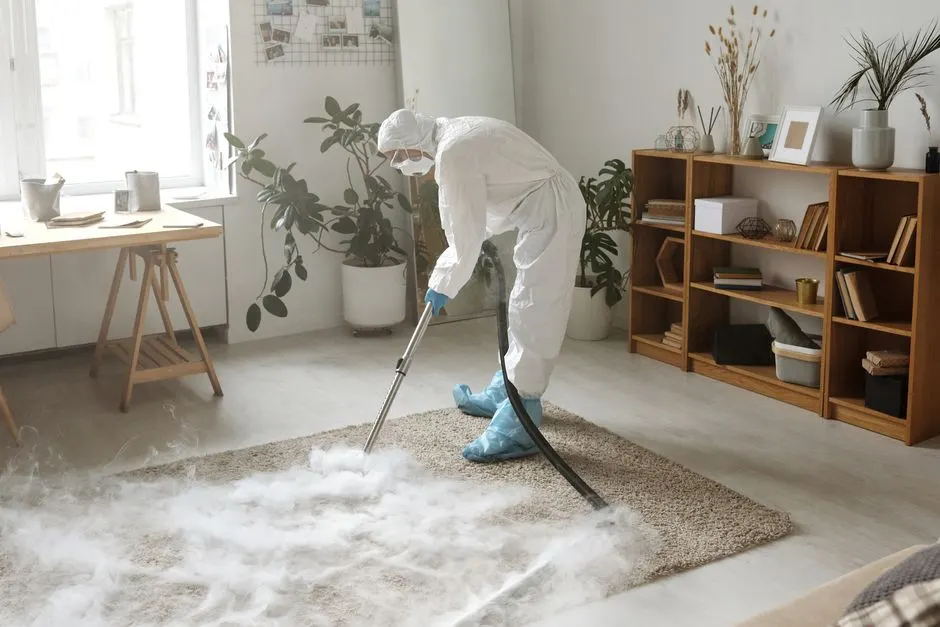
After extraction and during drying, we apply antimicrobial spray to affected surfaces. This slows microbial growth while the structure dries. It is standard on every flood water cleanup job, not an add-on.

✓

Debris and material removal

Carpet padding, saturated drywall, and unsalvageable insulation are removed and disposed of. We cut drywall to the flood line, bag debris, and haul it out so your space is clear for drying and repairs.

✓

Final documentation package

You receive photos, moisture logs, equipment records, and a written scope of work completed. This package supports your insurance claim and gives you a record of the property's condition before and after cleanup.

How it works

How our flood water cleanup process works

01

Emergency call and dispatch

You call, we ask what flooded and where. A crew is dispatched with extraction equipment loaded. For storm flooding or a burst pipe, we prioritize same-day response. You get a call when we are 30 minutes out so you can unlock gates or move vehicles.

02

Inspection and moisture mapping

We walk the property with a moisture meter, thermal imaging camera, and hygrometer. This tells us how far water wicked into walls, under floors, and into ceiling cavities. We photograph everything and mark the boundaries of the affected area before any work starts.

03

Water extraction and removal

Standing water comes out first using a water extraction unit or submersible pump. We pull carpet and padding where saturation is too deep to save. Absorbent pads go down in tight corners. This stage usually takes two to four hours on a typical Naples home.

04

Drying and dehumidification

We position air movers and dehumidifiers to create a drying chamber. Polyethylene sheeting may seal off doorways to concentrate airflow. Desiccant dehumidifiers handle deep cavities. We check readings daily and adjust equipment until materials hit dry standard.

05

Sanitizing and final walkthrough

Once dry, we apply antimicrobial spray to affected surfaces. An ozone generator or air scrubber clears odors. We remove equipment, take final moisture readings, and walk you through the results. You get documentation of the entire job for your records.

Tools & methods

Tools and methods we use

Purpose-built equipment, used by trained technicians — so the job is done accurately the first time.

Moisture meter and hygrometer

Measures moisture content in building materials and relative humidity in the air. We use these to map the affected area and confirm when materials reach dry standard.

Thermal imaging camera

Reveals temperature differences that indicate hidden moisture behind walls, under floors, and above ceilings. It shows us where water traveled that the eye cannot see.

Water extraction unit and submersible pump

Removes standing water from carpets, hard floors, and low-lying areas. Submersible pumps handle deep water in basements and crawlspaces.

Air mover and dehumidifier

Creates airflow across wet surfaces and pulls moisture from the air. We position them based on the moisture map and run them until readings confirm the structure is dry.

Air scrubber and ozone generator

Filters airborne particles and neutralizes odors after extraction and drying. Used on jobs where contamination or musty smells are present.

Dri-Eaz and Phoenix Restoration Equipment

Industry-standard drying and extraction equipment we rely on for consistent results. These brands are specified in most insurance scopes.

Xactimate estimating software

Builds the line-item scope your insurance adjuster needs to process the claim. It keeps documentation consistent and speeds up approval.

Real results

Before and after.

Burst pipe floods Old Naples kitchen

Before

A supply line failed overnight and released water across the kitchen, dining area, and hallway. Carpet padding was saturated, baseboards were wet, and moisture had wicked into the lower drywall.

After

We extracted the standing water, removed carpet padding, cut drywall to the flood line, and ran drying equipment for four days. Final moisture readings confirmed the framing was dry. The kitchen was ready for repairs.

Storm surge floods Vanderbilt Beach condo

Before

Storm surge pushed two inches of water into a ground-floor condo. Tile flooring, baseboards, and the bottom 12 inches of drywall were soaked with saltwater and debris.

After

We pumped and extracted the water, removed contaminated drywall and baseboards, applied antimicrobial spray, and dried the unit for five days. Moisture readings returned to normal and the space was sanitized.

Sewage backup in Pelican Bay bathroom

Before

A main line blockage sent sewage back through a bathroom and into the hallway carpet. The water was category 3, and the carpet, padding, and lower drywall were contaminated.

After

Crews in full PPE removed all contaminated materials, extracted the water, and treated every surface with antimicrobial spray. Air scrubbers ran for three days. The space tested clean and was ready for rebuild.

Problems we solve

Flood water cleanup after hurricane and storm damage

Naples floods from many directions: storm surge, tropical rain, plumbing failures, and aging infrastructure. These are the problems we solve most often for local property owners.

Ask a pro →
01

Storm surge pushing water into ground-floor units

We pump and extract standing water, remove contaminated materials, and apply antimicrobial treatment. Electrical components are identified for inspection. Drying equipment runs until moisture readings return to normal, usually four to six days.

↗
02

Burst pipe flooding walls and ceilings

We use thermal imaging to trace water behind walls and above ceilings. Wet drywall is cut out to the flood line, the cavity is dried with directed airflow, and materials are replaced once readings confirm the framing is dry.

↗
03

Sewage backup contaminating floors

Our crews work in full PPE, remove contaminated materials, and treat every surface with antimicrobial spray. Air scrubbers run during the job. We document the contamination level for your insurance claim.

↗
04

Slab leaks soaking tile and baseboards

We map moisture with thermal imaging, extract what we can, and dry the structure with dehumidifiers and air movers. Baseboards are removed where needed. We confirm dry standard before closing up.

↗
Proof you can check

Licensed, certified, and insured

✓
IICRC WRT (Water Damage Restoration Technician)Institute of Inspection, Cleaning and Restoration Certification
✓
IICRC ASD (Applied Structural Drying)Institute of Inspection, Cleaning and Restoration Certification
✓
IICRC AMRT (Applied Microbial Remediation Technician)Institute of Inspection, Cleaning and Restoration Certification
✓
EPA Lead-Safe Certified FirmU.S. Environmental Protection Agency
✓
OSHA 10-Hour Construction SafetyOccupational Safety and Health Administration
Good questions

Frequently Asked Questions

+18773640731 →

Most residential flood water cleanup in Naples runs $1,200 to $4,500 for a single affected room, and $5,000 to $15,000 or more for whole-home flooding. Cost depends on water category, square footage, and how many materials need removal. We provide a written scope before work begins so you know the number upfront.

Yes, most homeowner policies cover sudden and accidental water damage, including burst pipes and appliance leaks. Storm surge and rising floodwater require a separate flood policy through NFIP or a private carrier. We document everything with photos and moisture logs to support your claim either way.

Extraction takes two to four hours on a typical job. Drying usually runs three to five days depending on materials and humidity. Whole-home flooding or sewage contamination can push the timeline to seven to ten days. We check moisture readings daily and remove equipment only when materials hit dry standard.

Every job includes emergency water extraction, moisture mapping with thermal imaging, placement of air movers and dehumidifiers, daily monitoring, antimicrobial application, and final documentation. Removal of unsalvageable materials like carpet padding and wet drywall is included when needed. Repairs and reconstruction are scoped separately.

Ready when you are

Get flood water cleanup in Naples started now

Standing water gets worse by the hour. Our licensed and insured crews are on call 24/7 for emergency flood water cleanup in Naples. Call now and we will have equipment on your floor today.

Call for Emergency Service +18773640731 →
Request an appointment

Contact Naples Restore Experts

Call us any time, day or night, at +18773640731. We answer live and dispatch a crew, usually within 60 minutes across Collier County. If you prefer email, send photos and your address to info@naplesrestoreexperts.com and we will follow up fast.

Tap to call+18773640731