Hidden slab leak under tile
We use thermal imaging and moisture meters to map the wet zone, then confirm the leak location with an inspection camera or pressure test. You get the exact spot marked so the plumber cuts one hole, not five.
A water damage assessment and inspection in Naples is a documented moisture survey of your home or building, run with meters, thermal cameras and a written scope you can hand to your insurer. We serve homeowners, landlords and property managers from Old Naples to Vanderbilt Beach. Whether it is a slab leak, a burst pipe or storm flooding, you get the source, the spread and the repair plan in one visit.
Tell us what is happening. Our local team will confirm your visit shortly.
Call Now +18773640731 → No spam. No obligation. Just practical help.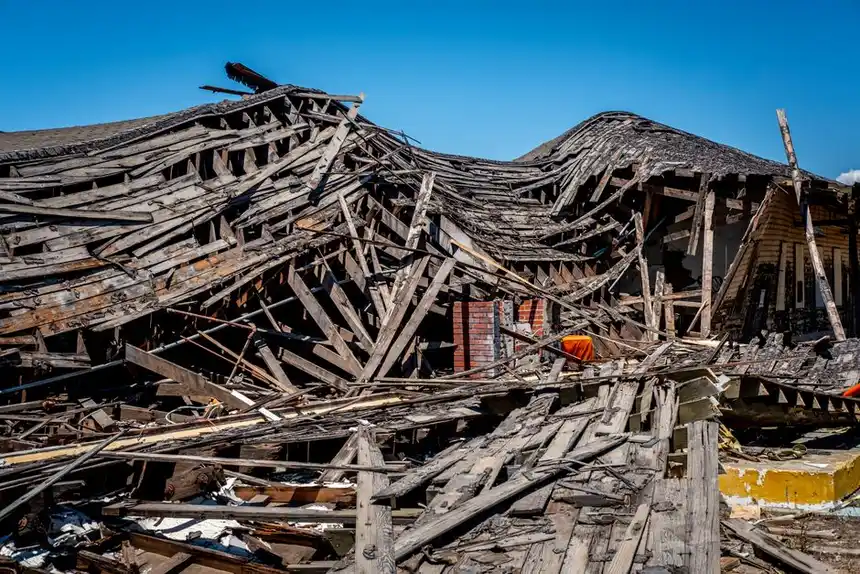
A water damage assessment and inspection in Naples is a diagnostic service that locates the water source, measures how far moisture has travelled, and documents what can be dried versus what must be removed. We start with a moisture meter and hygrometer reading at every affected wall, then scan with a thermal imaging camera to catch wet pockets behind tile and cabinetry. An inspection camera goes into wall cavities where a slab leak or roof leak is suspected. You get readings, photos and a written scope, not a verbal guess.
Naples properties fail in predictable ways. Summer humidity sits above 70 percent for months, so a small appliance leak that would dry out in Arizona keeps feeding mold growth here. Slab-on-grade homes in Park Shore and The Moorings hide supply-line leaks under tile until the baseboards swell. After a storm, roof leak water tracks down inside walls and only shows up as a ceiling stain days later. That is why we treat water damage evaluation Naples homeowners can act on as a same-day job, not a next-week appointment.
Every assessment includes the diagnostic work and the documentation. Drying equipment, extraction and repairs are quoted separately once we know the scope, so you are never paying for equipment you do not need.
Pin and pinless moisture meter readings at every baseboard, wall and floor section in the affected area, logged by room and photographed. You get a numbered map that matches the written report exactly.
A thermal imaging camera scan of walls, ceilings and floors to find wet pockets behind tile, cabinetry and finished surfaces. This is how we catch hidden leaks that a visual walkthrough misses.
We confirm whether the water is coming from a supply line, drain, appliance, roof penetration or exterior entry. If it is a slab leak or hidden pipe, we use an inspection camera or pressure test to prove it.
A hygrometer records ambient humidity and temperature in each affected room. These baseline numbers tell us how much drying capacity the space needs and give us a target to dry down to.
A written scope of work with affected square footage, material types and Xactimate-compatible line items, plus photos of every reading. This is the document your insurer and your repair crew both work from.
You call or message and describe what you are seeing: a stain, a smell, a wet baseboard, a spike in the water bill. We ask the questions that separate an active leak from an old one and book a same-day or next-morning slot. Emergency calls get a 60-to-90-minute arrival window across most of Naples.
A technician walks the property with you and marks every suspect area. We check the water heater pan, supply lines under sinks, the AC condensate line, and any exterior wall that took storm flooding. This takes 15 to 20 minutes and usually narrows the source to two or three candidates.
We take pin and pinless moisture meter readings at baseboards, drywall and subfloor, then scan with a thermal imaging camera. A hygrometer logs ambient humidity and temperature in each room. Every reading is photographed and numbered so the map matches the report exactly.
If the readings point to a slab leak or a hidden pipe, we run an inspection camera into the cavity or use pressure testing to confirm. We do not guess. Once the source is confirmed, we mark it on the map and note whether it needs a plumber, a roofer, or our own extraction crew first.
Within a few hours you get the moisture map, photos, affected square footage and a scope of work. If drying is needed, we quote air movers, dehumidifiers and desiccant units by the day. If it is a repair, we tell you what gets removed and what gets saved.
Purpose-built equipment, used by trained technicians — so the job is done accurately the first time.
Scans walls, ceilings and floors for temperature differences that reveal wet pockets behind tile, drywall and cabinetry without cutting holes.
Takes direct moisture content readings in drywall, wood and subfloor. Pinless mode scans large surfaces fast; pin mode confirms the exact percentage.
Logs ambient humidity and temperature in each room to set a drying baseline and track progress against the target.
Goes into wall cavities and under slabs to visually confirm a leak source when meter and thermal readings point to a hidden pipe.
Dehumidifiers and air movers we deploy after the assessment to dry the structure to below 16 percent moisture content.
The estimating platform we use to write the scope in line items your insurance adjuster already recognizes and can approve without re-inspection.
A homeowner in Aqualane Shores had a water bill 40 percent above normal and a warm spot on the kitchen floor. Two plumbers had checked the visible lines and found nothing. The floor was still dry to the touch and no stain had appeared.
Thermal imaging showed a wet zone under the tile, and a pressure test confirmed a slab leak on the hot-water line. We marked the exact spot, the plumber cut one 18-inch section, and the repair was done the same day. The floor dried in three days with air movers.
After a September storm, a Pelican Bay homeowner noticed a faint ceiling stain in the hallway. The attic insulation above it was wet, and the wall cavity behind the stain read 28 percent moisture on our meter, well above the 16 percent target.
We opened a 2-foot section of drywall, dried the cavity with air movers and a dehumidifier for four days, and treated the framing with antimicrobial spray. The readings dropped to 11 percent. The drywall was replaced and painted to match.
A burst supply line behind a washing machine in Naples Park soaked the laundry room carpet and ran into the hallway. The homeowner caught it within two hours but the carpet padding was saturated and the subfloor read 32 percent moisture.
We extracted the standing water, pulled the carpet back, and removed the wet padding. The subfloor dried to 12 percent in two days with air movers. New padding went down and the original carpet was reinstalled. Total cost was a fraction of a full carpet replacement.
Most Naples water damage starts small and hides. These are the problems our inspection is built to catch before they turn into a rebuild.
Ask a pro →We use thermal imaging and moisture meters to map the wet zone, then confirm the leak location with an inspection camera or pressure test. You get the exact spot marked so the plumber cuts one hole, not five.
We scan the ceiling and the wall above it with a thermal camera, measure moisture in the framing, and document the path. If the cavity is wet, we open it, dry it and treat for mold before the ceiling is repaired.
We pull the appliance out, read the wall and floor with a moisture meter, and check the supply line and drain pan. If the cavity is wet, we dry it with air movers and a dehumidifier and document the readings daily.
We take readings at 1 inch, 6 inches and 12 inches up the wall to find the true wet line, then mark the cut. Wet drywall and insulation come out, the cavity dries, and new material goes in.
Most inspections run $150 to $450 in 2026, and many are free when you book the drying work with us. The price depends on square footage, how many rooms need mapping, and whether we have to open a wall to confirm a slab leak. A single-room check with a moisture meter and thermal camera sits at the low end. A full-property assessment with an inspection camera and written Xactimate scope sits at the high end.
It includes a moisture meter and hygrometer reading at every affected surface, a thermal imaging camera scan of walls, ceilings and floors, and a source check on the likely culprits: supply lines, AC condensate, water heater pan and roof penetrations. You get a numbered moisture map, photos, affected square footage and a written scope of work. If mold growth is present, we note it and recommend antimicrobial spray and remediation.
Yes. Hidden leaks behind tile, inside wall cavities and under slab are exactly what thermal imaging and pin-type meters are built to find. We have located slab leaks in Aqualane Shores and slow supply-line drips in Pelican Bay high-rises that had been running for weeks. If readings are ambiguous, we run an inspection camera into the cavity or pressure-test the line to confirm before we recommend any repair.
Once a year is right for most Naples homes, ideally before the June-to-November rainy season. Add an inspection after any storm flooding, after a water heater replacement, and any time your water bill jumps more than 20 percent with no change in use. Snowbird properties that sit empty from May to October should be checked twice a year, since a slow leak can run for months before anyone notices.
 Emergency Water ExtractionWhen the assessment confirms standing water, extraction starts the same visit. We use submersible pumps and water extraction units to pull water from carpet, tile and subfloor before it wicks into baseboards and drywall.Explore →
 Water Removal and PumpingFor deeper water from storm flooding or a burst pipe, our assessment measures depth and spread, then we pump it out with truck-mounted and portable units. Pumping first protects the structure; drying follows immediately after.Explore →
 Flood Water CleanupFlood water carries contaminants, so the inspection classifies it as Category 2 or 3 before cleanup begins. We remove saturated materials, apply antimicrobial spray, and document everything for your flood insurance claim.Explore →
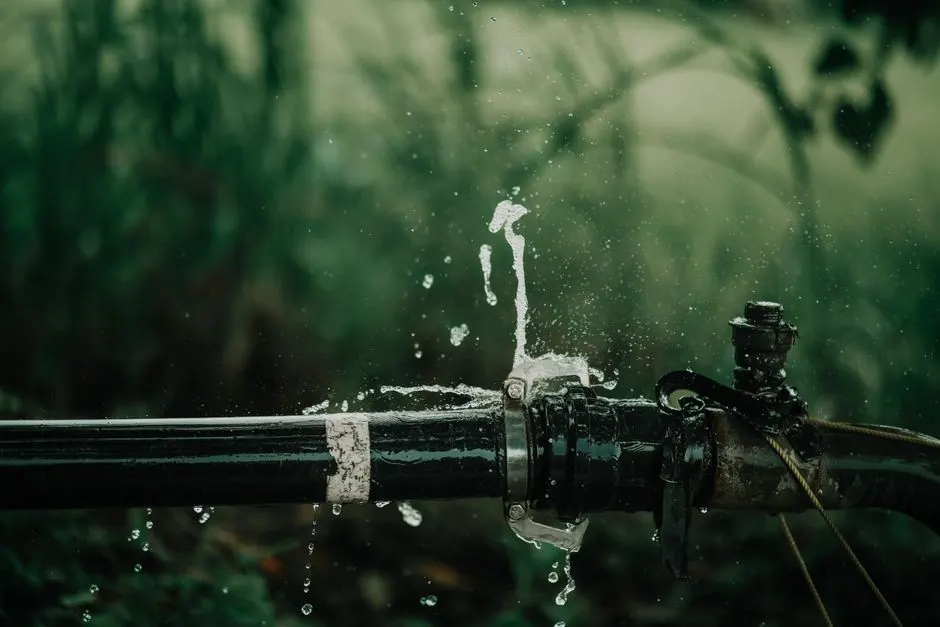 Burst Pipe Water Damage RepairThe inspection pinpoints which line failed and how far water travelled. We isolate the line, coordinate the plumbing repair, then dry the cavity and replace wet drywall and insulation so the wall closes clean.Explore →
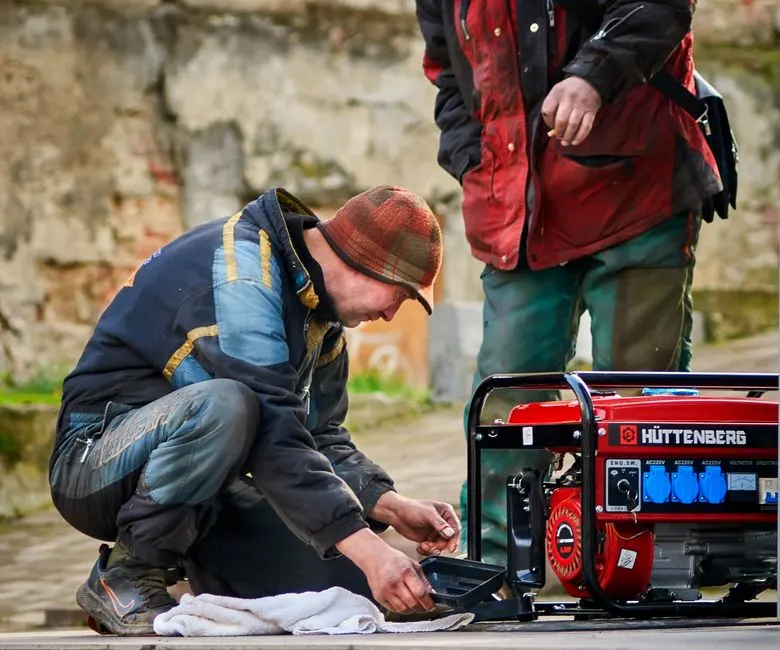 Sewage Backup CleanupA sewage backup is a Category 3 event. The assessment maps the contamination zone, we remove affected carpet padding and porous materials, then disinfect and dry with air scrubbers running to control airborne bacteria.Explore →
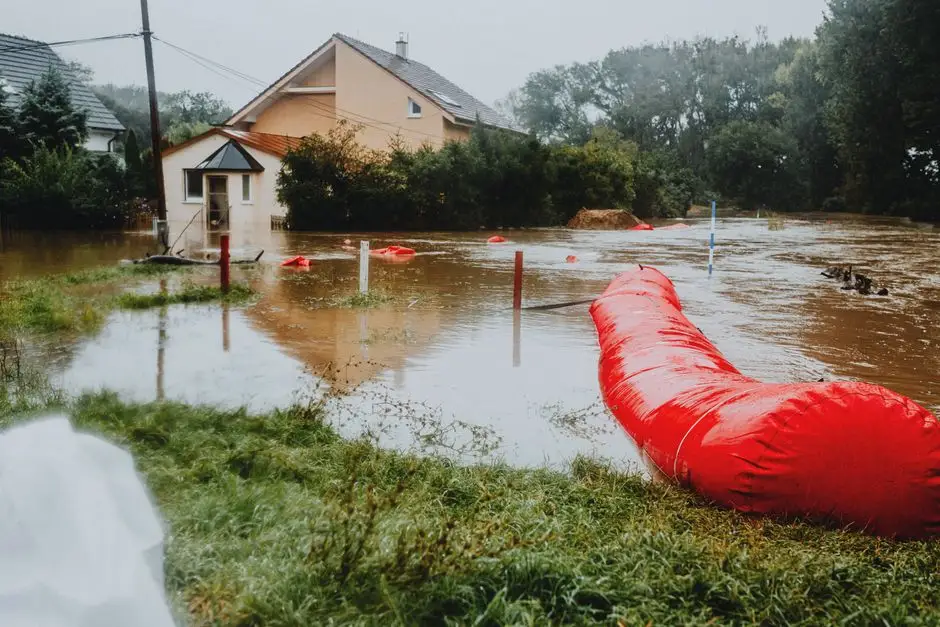 Basement Flood CleanupNaples homes with below-grade space flood fast in heavy rain. We assess the entry point, extract standing water, and dry the slab and walls with dehumidifiers and air movers sized to the cubic footage.Explore →
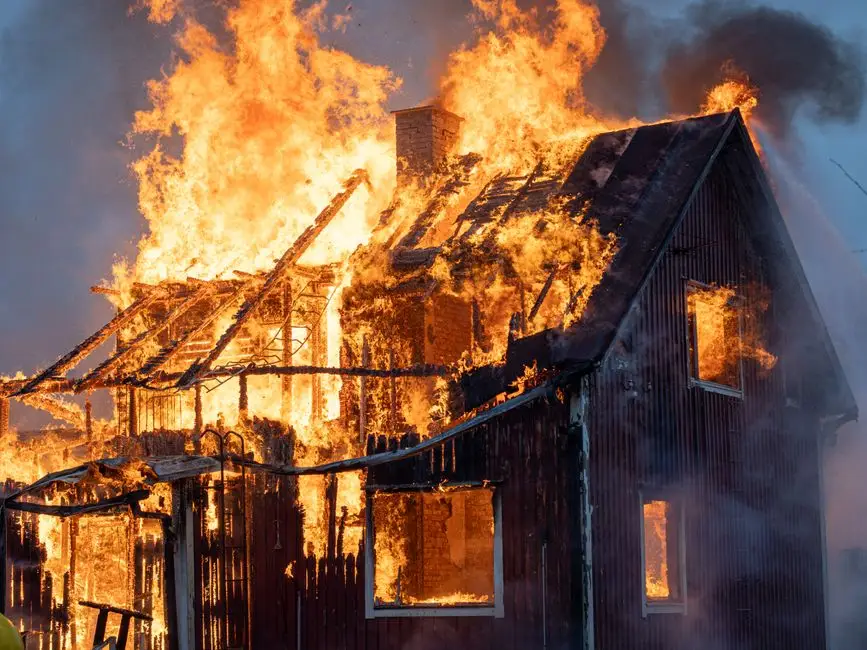 Structural Drying and DehumidificationAfter the inspection sets a moisture baseline, we place dehumidifiers and air movers to dry the structure to below 16 percent moisture content. Daily readings track progress until the target is met and documented.Explore →
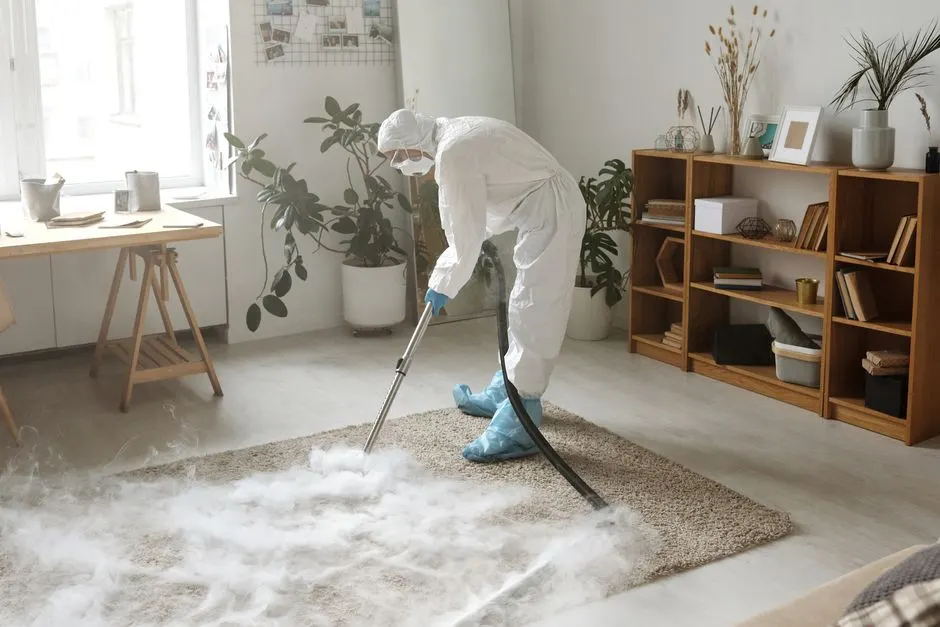 Carpet Water Damage RestorationThe assessment tells us whether carpet can be saved. Clean-water events often can; carpet padding almost always gets replaced. We lift carpet, dry the subfloor, and reinstall or replace based on the readings.Explore →
We are licensed, insured and IICRC certified, and we have been inspecting Naples properties since 2017. Call now and we will get a technician to your door today with meters and a thermal camera ready.
Book Inspection Now +18773640731 →Call us any time, day or night, at +18773640731. We answer live and dispatch a crew, usually within 60 minutes across Collier County. If you prefer email, send photos and your address to info@naplesrestoreexperts.com and we will follow up fast.